I’ve always been a little bit loose when it comes to a focus of study but i am in general drawn to the small, little studied or somewhat obscure. Fungi have always been on the edge of becoming a full on interest but i suppose i have been discouraged by the apparently inaccessibility of this fascinating group at least when it comes to species identification, the sheer diversity of this taxa and to no small extent my inability to focus on any one thing for an extended period of time!
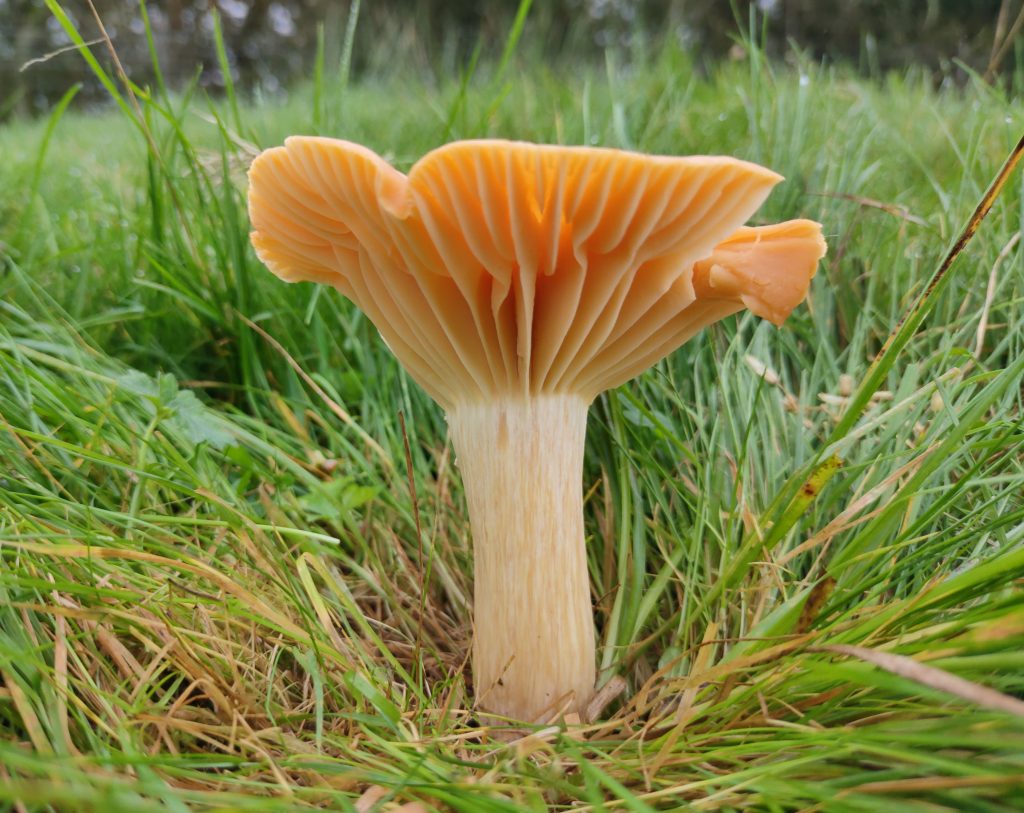
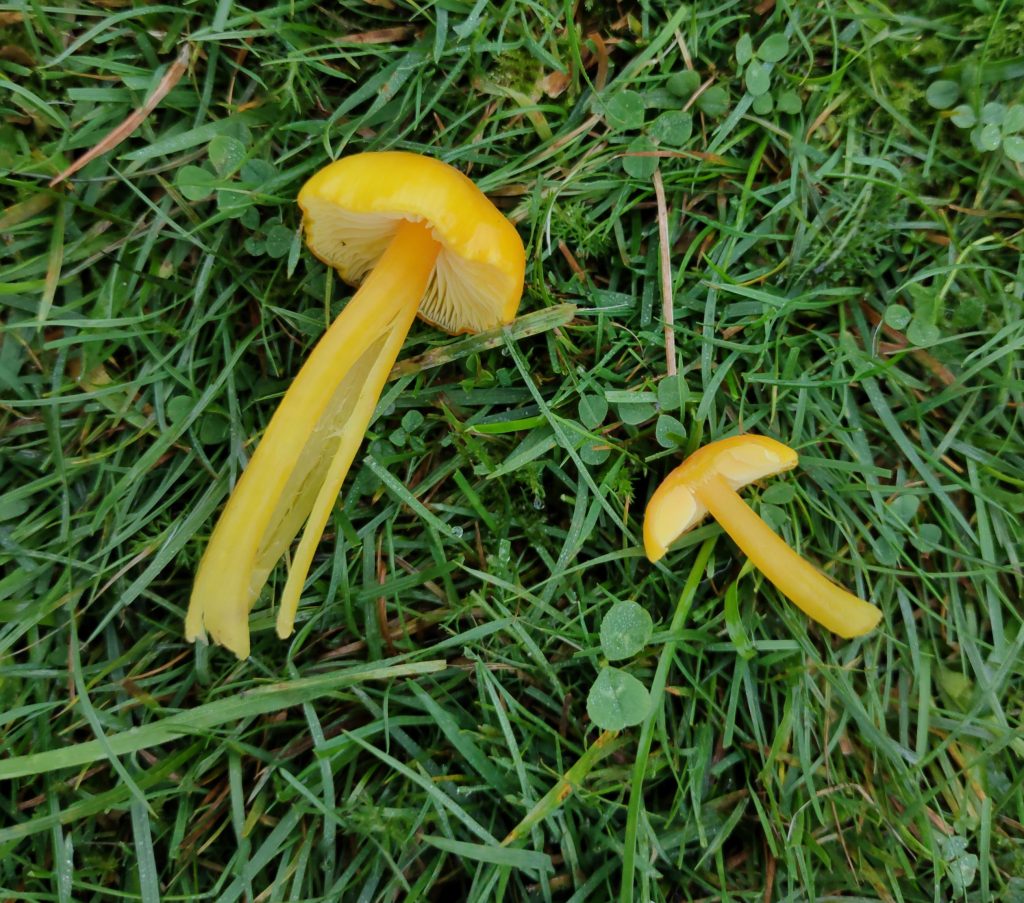
However, earlier this year a colleague on the sites team identified the need for the inclusion of fungi in our Biological Heritage Site selection criteria and in the process highlighted a major omission of one particular group of fungi, those of ancient fungi grasslands, more often referred to as ‘Waxcap Grasslands’, in reality these grasslands are identified by their impressive diversity of ‘CHEGD’ species; Club’s and Corals, Waxcaps, Pinkgills, Earthtongues and Crazed caps.

A handful of ancient grassland sites in the country have been selected as Sites of Species Scientific Interest (SSSI) on specific selection criteria a similar approach will form the basis for Biological Heritage Site (BHS) selection in Lancashire. In order to both set the threshold (i.e. understand what is a good diversity of species for a site Lancashire) and to actually identify where these sites are so they can be selected we need to get out and find some sites!
So it’s with that i have finally been drawn into the study of an accessible group of fungi, the waxcaps!


 using WordPress and
Comments are closed