A good waxcap grassland can take centuries to establish and can be lost to any kind of disturbance to the substrate; ploughing, fertiliser application, scarification.. and as such is an incredibly sensitive, some might say irreplaceable, habitat.
The oceanic climate in Britain and in particular the grazed uplands of the north are probably supporting the majority of this habitat in Europe which means we have a special responsibility. Much like with the more recognisable Bluebell.
Over the last month or so the Biological Heritage Sites team have been visiting potential sites across Lancashire to formally recognise and designate them for their value. Sites include cemeteries, grazed pasture and even village greens! Some have even met SSSI thresholds..
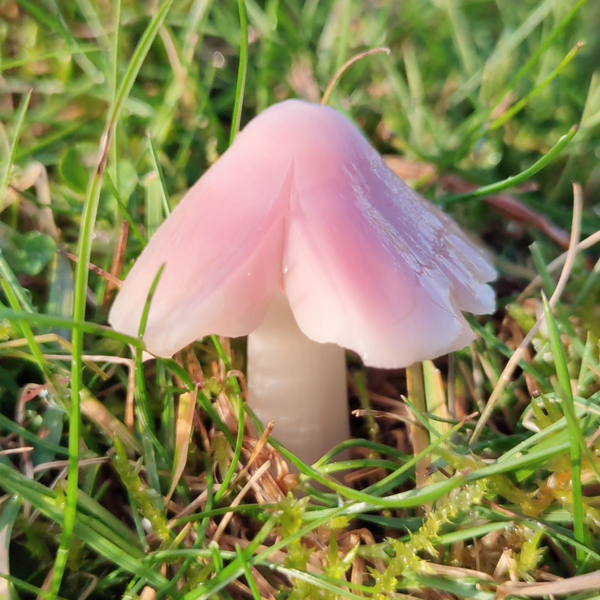
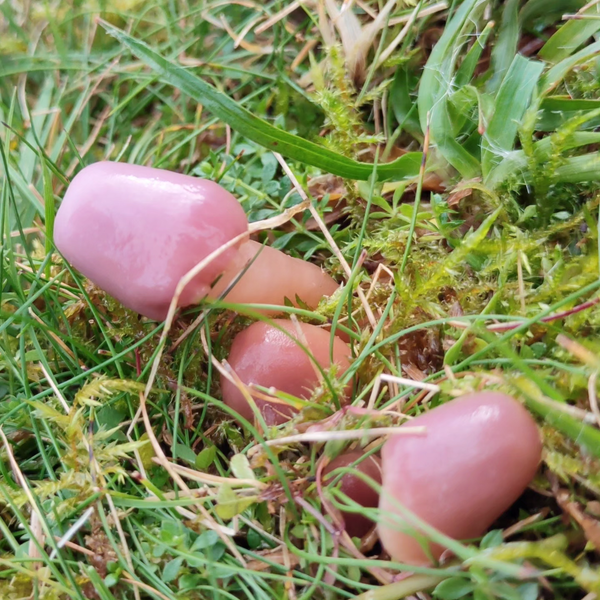
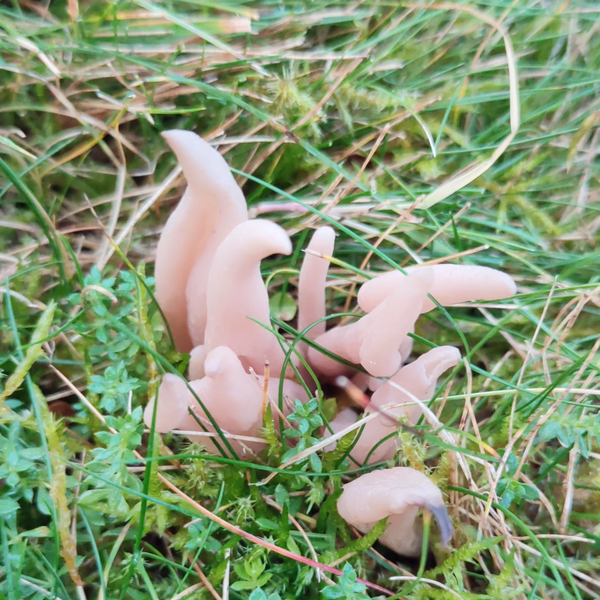
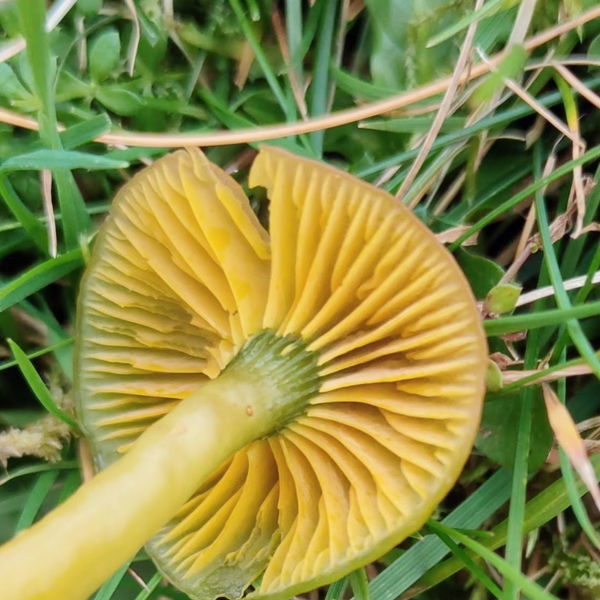
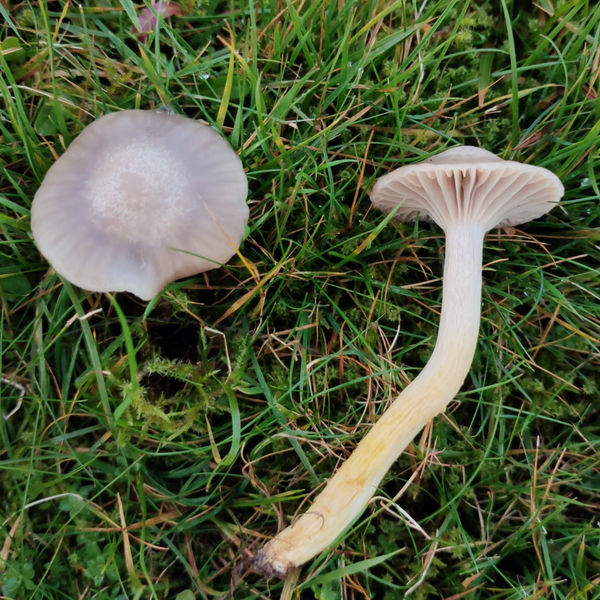
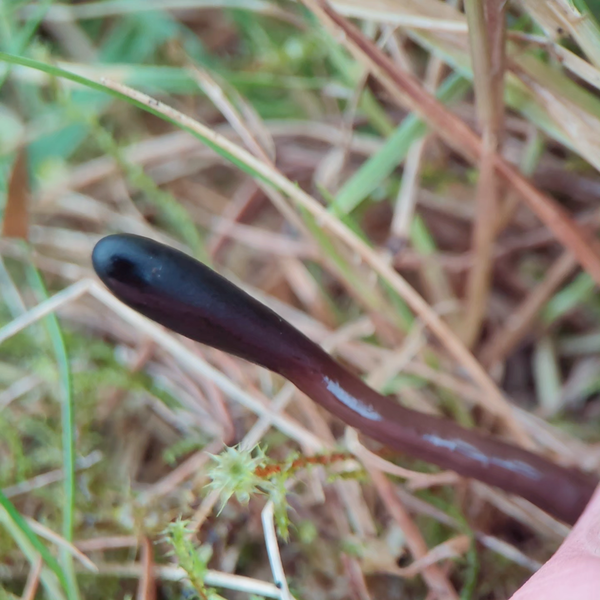
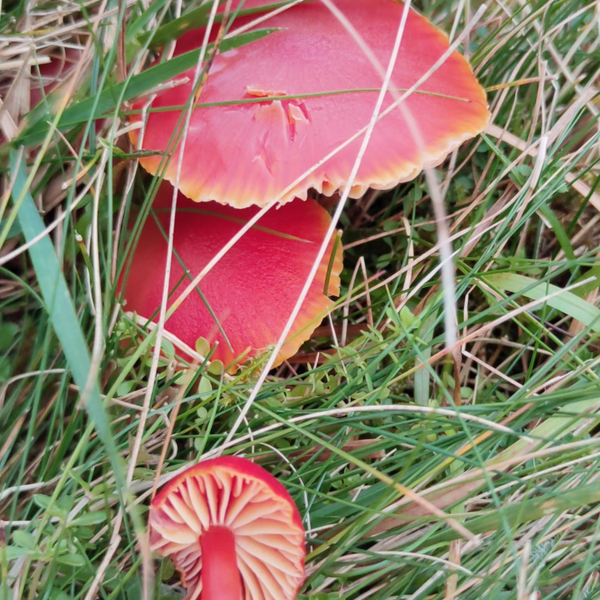
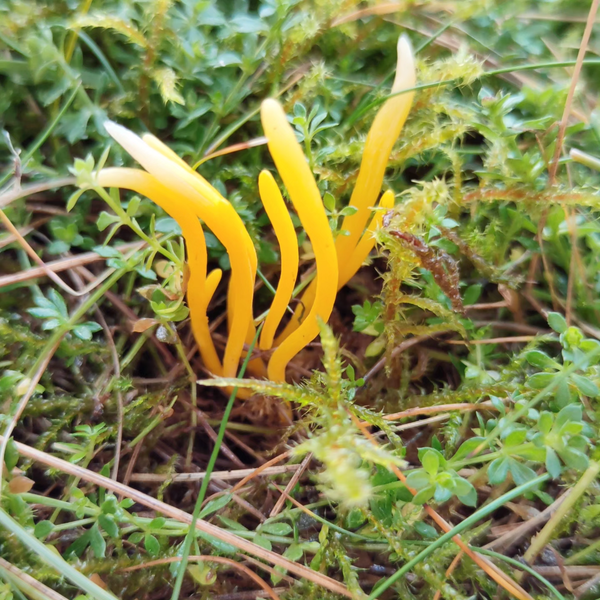
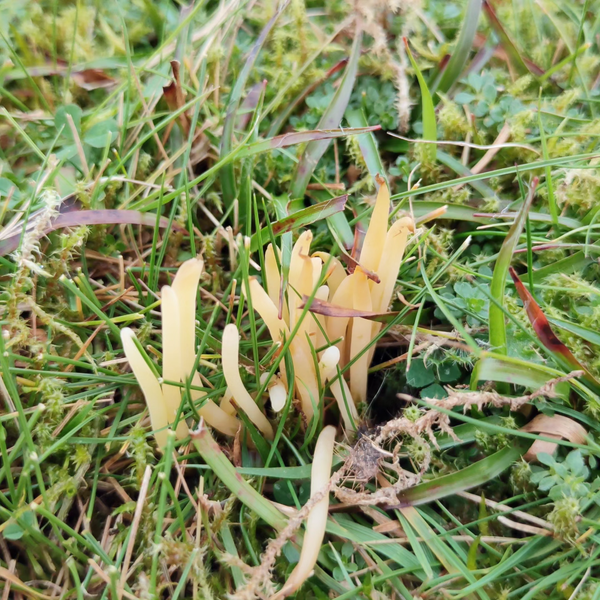
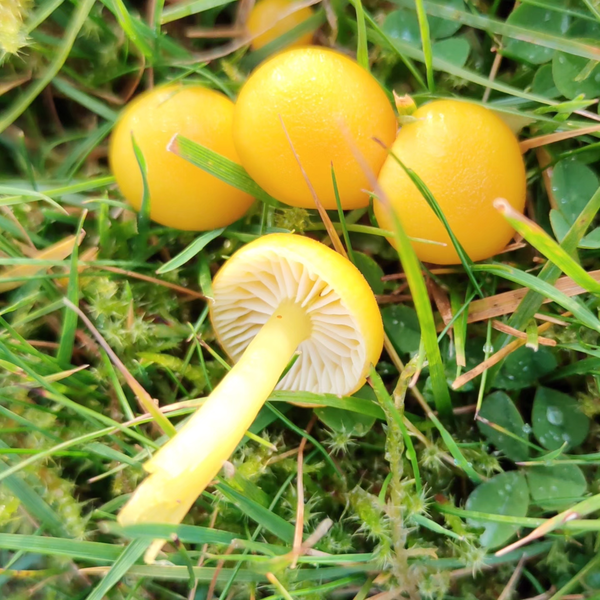
The wonderful thing about this group is that anyone can help to spot them. Many species can be recognised from photos and at the very least you would be helping us to short list sites for more formal survey.
If you’re out and about in Lancashire then please to take a pic and share it on iNaturalist to add it to our Lancashire Waxcaps Project or with Plantlife International using their #Waxcapwatch social media tag.


 using WordPress and
Comments are closed